- The Autonomous University of Barcelona hosts the XVIII RUEPEP Conference.
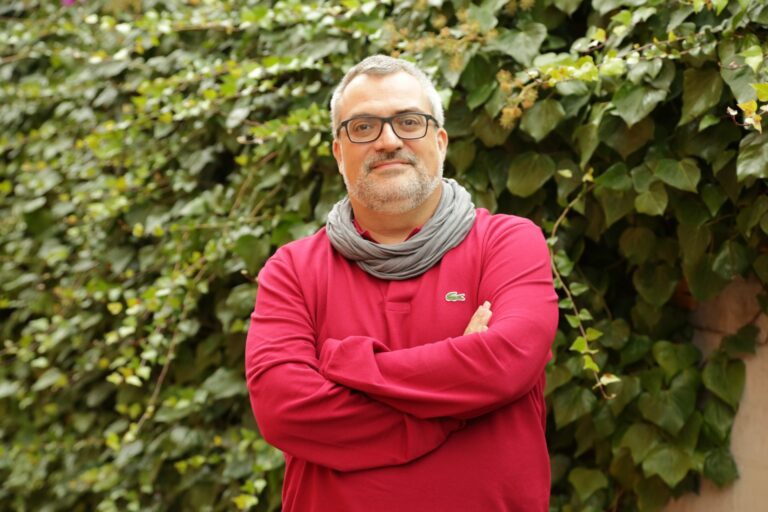
- The President of Autoocupació, Albert Colomer, and the Secretary of Autoocupació, Tirso Gracia, have participated in the Employability Roundtable: Results of Postgraduate Training.

Albert Colomer, President of Autoocupació, and Tirso Gracia, Secretary of Autoocupació, participate in the XVIII RUEPEP Conference
29 March 2019
Share

27/08/2026
New grants of up to €5,000 to open, renovate or digitalise businesses in Lleida
Self-employed professionals, micro-enterprises and small businesses with street-level premises in Lleida can apply for grants of up to €5,000 to carry out renovations, improvements or digitalisation projects. The grant covers 50% of eligible expenditure, subject to a minimum investment of €2,000 excluding VAT. The full amount awarded will be paid in advance, with no guarantee

28/07/2026
Youth Guarantee 2026: Up to €17,094 to Launch Your Self-Employment Project
If you are between 18 and 29 years old and want to start your own business, the Youth Guarantee grant can help turn your entrepreneurial project into reality. This financial aid is designed to support young people entering the labour market through self-employment by providing funding for both the start-up of their business and the

28/07/2026
What Are Reskilling and Upskilling? Learning to Adapt to Change
The job market is evolving at an increasingly rapid pace. Digitalisation, new ways of working, and the constant emergence of new technologies mean that professional skills must continuously evolve. In this context, concepts such as reskilling and upskilling have become essential for maintaining employability and successfully facing new professional challenges. But what do these terms
27/07/2026
Interview with Miquel Àngel Prats Fernández, Teacher, Educational Psychologist, and PhD in Education
1. After more than two decades of experience, how would you say the way we understand education and training in Catalonia has evolved? What have been the most significant changes? I believe we have moved from viewing education and training as a stage of life to understanding them as a continuous process. Twenty years ago,
