The DISC test, developed from William Marston’s work on behavior, emerged in response to the need to understand the fundamental behavioral traits of individuals and their ability to adapt to the competency profiles of various occupations, enabling them to develop their full professional potential.
What is the DISC TEST?
The DISC test is a psychological assessment tool that categorizes individuals’ behavioral traits into four main dimensions: Dominance (D), Influence (I), Steadiness (S), and Conscientiousness (C). These four dimensions allow for the creation of a profile for each individual, offering a detailed view of how they behave in different contexts, especially in work or interpersonal relationship situations.
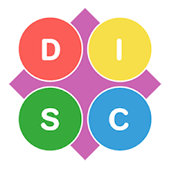
The four personality dimensions of the DISC test are as follows:
- Dominance (D): individuals who face challenges and problems decisively. People with a high level of dominance tend to be determined and results-oriented. In a team, they tend to take leadership and seek quick and efficient solutions.
- Influence (I): optimistic, enthusiastic, expressive individuals with an aptitude for social interaction and influencing others. They excel at tasks involving communication and leadership.
- Steadiness (S): individuals who seek stability in their environment. They tend to be patient, reliable, and contribute to a good team atmosphere. They are ideal for roles requiring planning, cooperation, and consistency.
- Conscientiousness (C): methodical individuals who follow rules and procedures. They are characterized by being meticulous, analytical, and quality-oriented. In a team, they add value by performing tasks that require precision and detail.
It is important to note that no dimension of the DISC model is better or worse than another; they are simply different, and there are no correct or incorrect answers in the test.
How useful is the DISC test in guidance processes?
- Increased self-awareness: the test helps users better understand their behavioral traits, their basic and transversal competencies, their preferences, their motivators, and their limitations. This improved self-awareness increases their confidence when facing professional change processes, whether for job placement or occupational improvement.
- Identification of strengths and areas for improvement: DISC allows users to identify their strengths and development needs, especially in relation to their interaction with team members, their leadership and communication styles, and their behavior in conflict situations.
- Occupation selection: the test helps users better understand their professional profile and, consequently, identify those sectors and occupations in which they can feel most professionally fulfilled and where they can develop their full potential.
- Guidance for professional improvement: DISC allows users to define an action plan to develop and train the behaviors and competencies necessary to achieve their professional goals during the guidance process.
In short, the DISC Test is a very valuable tool in career guidance processes because it allows career counselors to effectively and efficiently delve into the professional profile of users, facilitating the design and development of career guidance pathways to ultimately help them say: “I am what I want to be.”